
Reviewed · MOZART CONCERTS & CLASSICAL MUSIC
Salzburg: Mozart Concert at Mirabell Palace
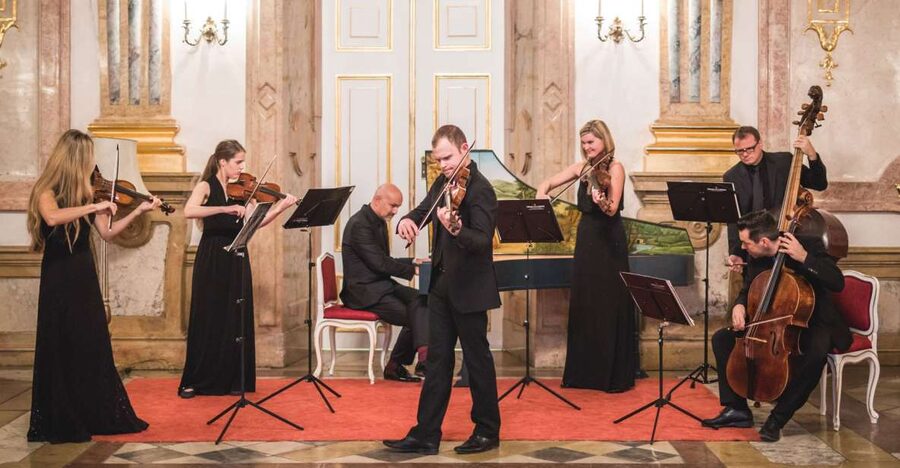
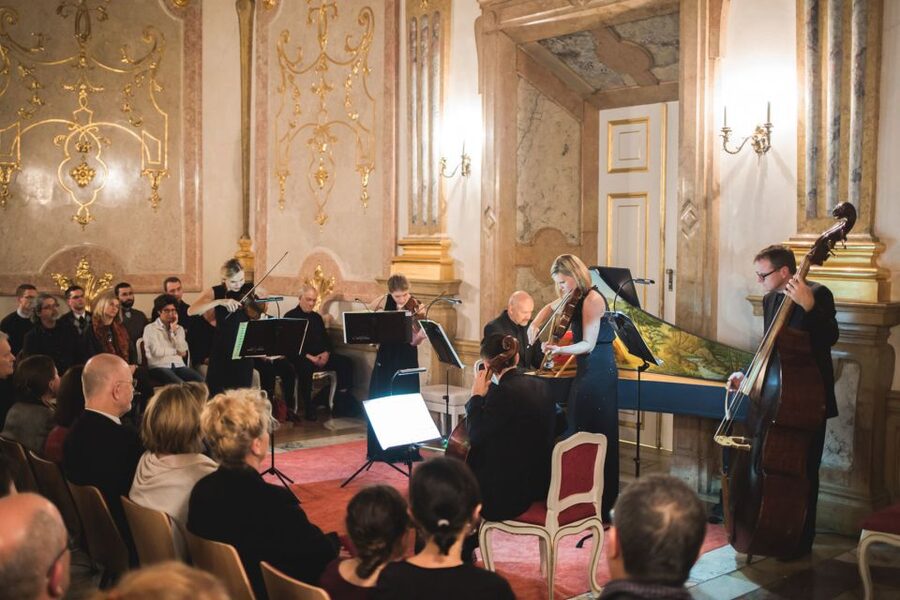
Marble makes Mozart sound different. This Mozart concert in Salzburg takes place in Mirabell Palace’s legendary Marble Hall, where the room itself shapes the music. I love the intimate, chamber-music feel and the fact that the sound is natural, not pumped through speakers. One thing to consider: the rules are strict, so no cameras, no recording, and no large bags.
The best part is the setting and the format. The hall is Baroque-style and was once the banquet space of Salzburg prince archbishops, and it’s famous because members of the Mozart family actually performed there, including Leopold Mozart and his children Wolfgang and Marianne (nicknamed Nannerl). For me, the value is that you get top soloists and changing chamber ensembles in a room that makes every note feel close.
There’s also real-world logistics. Doors open 30 minutes before, and you’ll exchange your voucher for a ticket at the box office on the 1st floor in front of the Marble Hall. That extra step is minor, but plan a little buffer so you can settle in without rushing.
In This Review
- Key things to know before you go
- Why the Mirabell Marble Hall matters more than the program
- Getting there and finding the Marble Hall box office without stress
- What the concert evening feels like (timing, pacing, intermission)
- The music: Mozart, chamber forces, and the “small ensemble” advantage
- Seats and views in a relatively small hall
- Acoustics you can trust: natural sound over loudspeakers
- Intermission snacks and small comforts
- Pricing and value: what $49 buys you in Salzburg
- Who should book this Mozart concert (and who might skip)
- So, should you book it
- FAQ
- Where is the concert held?
- How long is the Mozart concert?
- What should I do with my voucher?
- Are cameras or recordings allowed?
- Is there food and drink available?
- Is the event suitable for small children?
Key things to know before you go
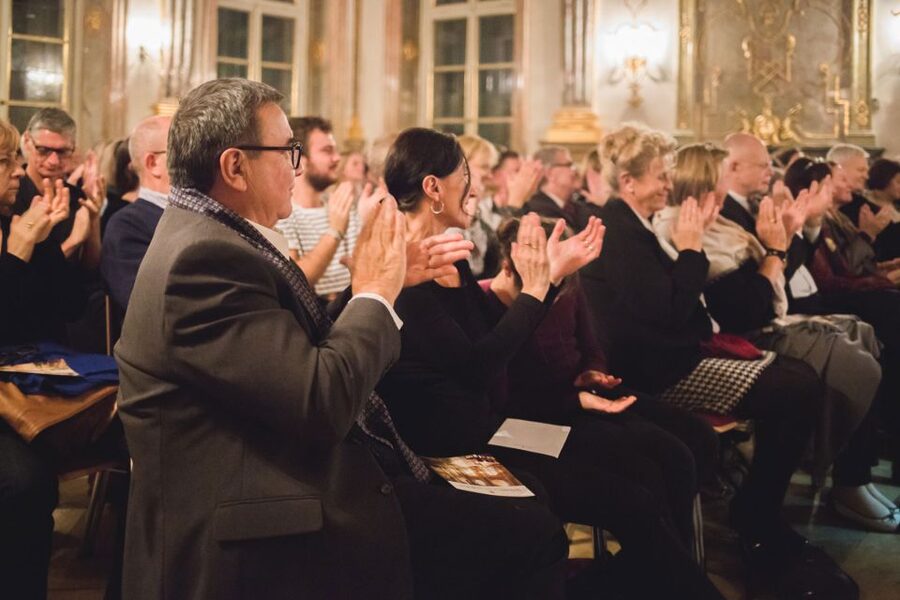
- Mirabell Palace Marble Hall acoustics are the whole point, with pure, clear sound and no sound system needed
- 90 minutes of live, unplugged chamber music with one 15-minute intermission
- Mozart family connection: Leopold, Wolfgang, and Nannerl are tied to this very hall
- Great visibility even from farther back since the room is relatively small and intimate
- Strict venue rules: no cameras, video, or audio recording; leave large bags outside
- Refreshments are available during intermission (food and drinks are not included in the ticket)
Another evening of Mozart in Salzburg
- Salzburg: Mozart Concert at Mirabell Palace★ 4.8 · 3,498 reviews
- Salzburg: Best of Mozart Fortress Concert and Dinner★ 4.5 · 1,424 reviews
- Salzburg 2.5-Hour Walking Tour: Mozart, Old Town & More★ 4.2 · 987 reviews
- Salzburg: Mozart Concert with Dinner★ 4.8 · 835 reviews
Why the Mirabell Marble Hall matters more than the program
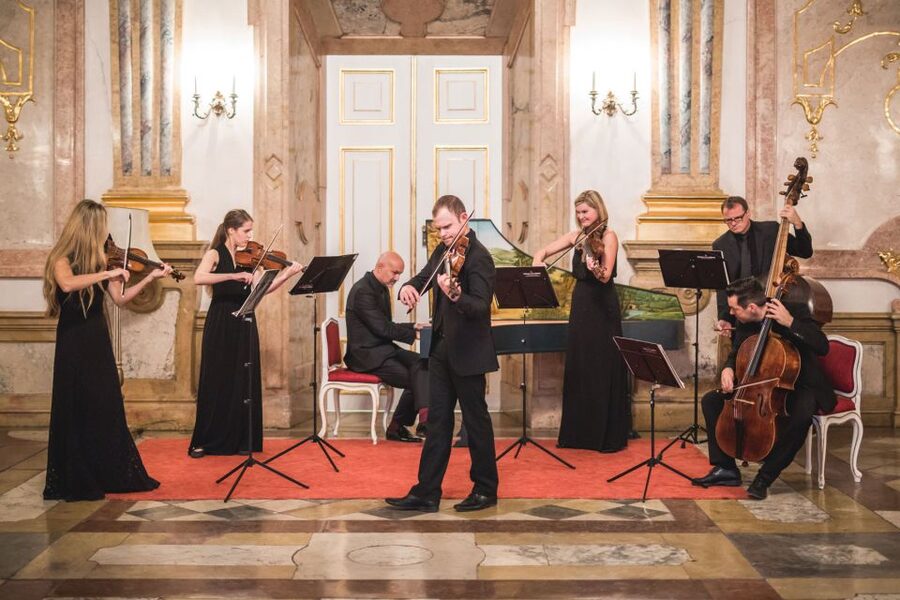
If you’re deciding between yet another concert hall and a truly Salzburg-style experience, this one wins on atmosphere. Mirabell Palace is already a postcard in real life, but the Marble Hall turns it from pretty to special. The hall is built for human-scale music: the ceiling height and marble surfaces create a clear, resonant sound that doesn’t feel muffled or distant.
What I like most is that the experience doesn’t rely on theatrics. This is chamber music played by excellent soloists and ensembles, and you hear it the way it’s meant to be heard: close-up, detailed, and quietly intense. Several details from the experience line up with that idea, like the dimmed lighting during the performance and the fact that the music is presented live and without amplification.
And yes, there’s the Mozart factor. It’s not just marketing fluff that this is a historically meaningful room. Leopold Mozart and his children Wolfgang and Marianne (Nannerl) have performed here. That connection can make you listen differently, because you’re sitting in a space that once held the family’s own musical life, not just a replica of one.
Getting there and finding the Marble Hall box office without stress
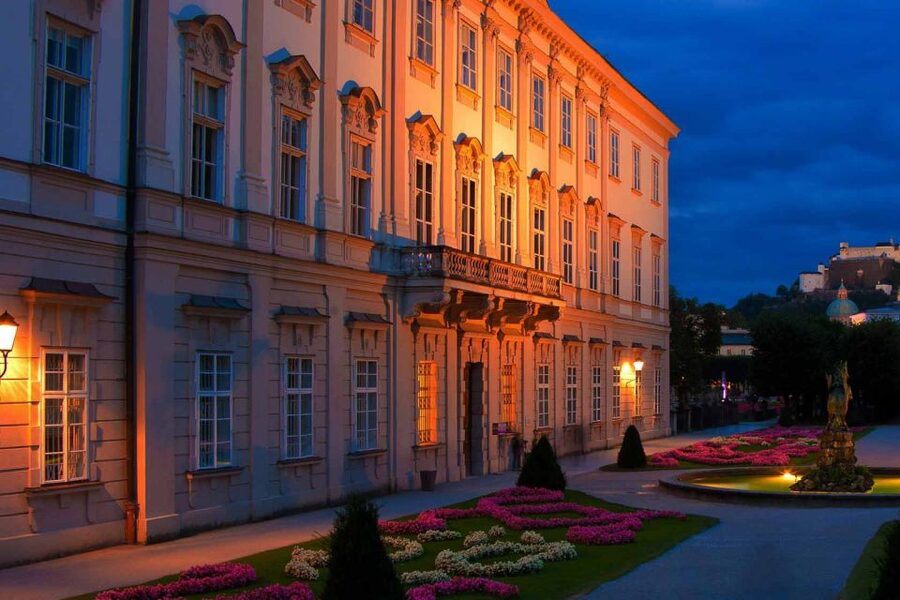
This is one of those events that is easy once you know the steps. Start with the address: Mirabellplatz 4, 5020 Salzburg. The Marble Hall is on the 1st floor of Mirabell Palace.
Before the concert, your job is simple:
- Go to the box office in front of the Marble Hall (on the 1st floor)
- Exchange your voucher for an original ticket there
- Use the time before seating to settle in, not to hunt around
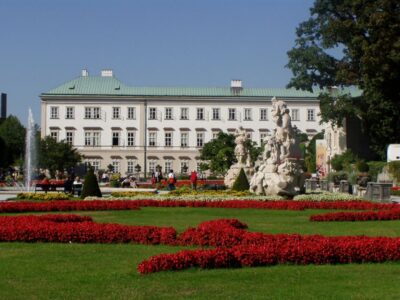
Doors open 30 minutes before the show, so give yourself that runway. If you arrive right at the last minute, you’ll still get in, but you’ll be doing it while standing in line and watching others glide past with calm confidence. You can also take a bit of time around Mirabell Palace grounds before you head up, especially if your schedule allows it. The palace area helps you ease into the evening, and you’re less likely to feel rushed when you climb the marble staircase to the hall.
One more practical note: the venue has restrictions. Cameras, video recording, and audio recording are not allowed, and luggage or large bags aren’t either. If you’re carrying a big backpack or shopping bags, plan to keep things light so security checks don’t turn into a slow scene.
What the concert evening feels like (timing, pacing, intermission)
The concert runs 90 minutes with one intermission of 15 minutes. That timing is a sweet spot for chamber music. You get enough time to hear multiple movements and varied textures, but you’re not stuck for hours in formal evening wear.
Here’s how the flow usually plays out so you know what to expect:
- You’re seated once doors open and the hall settles.
- The performance starts and keeps momentum, with pieces moving through different moods and instrumental colors.
- Intermission gives you a chance to stretch, use the restroom if needed, and grab something from the bar.
- The second half continues at the same focused pace.
- Expect the evening to end while you’re still thinking about the last notes, not after you’ve mentally drifted.
That intermission matters. It’s not a long break where you feel like you’ve escaped a concert. It’s short and purposeful, which helps preserve the feeling of one continuous musical evening.
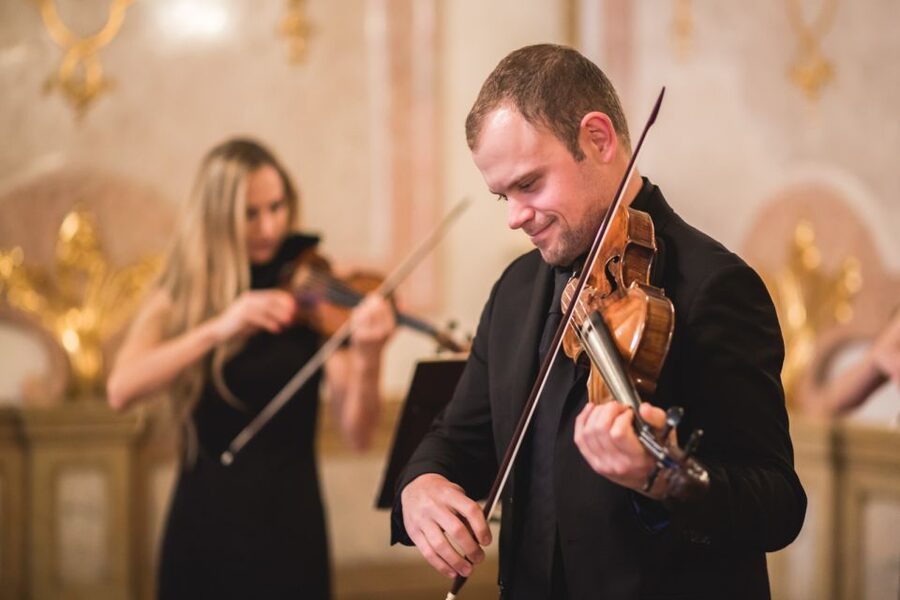
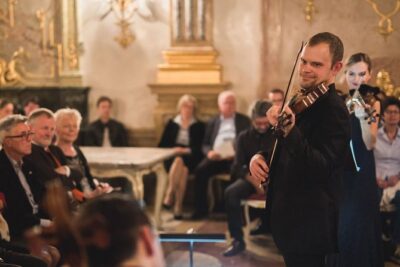
Also, the venue is designed for listening. The hall is dimly lit and the space is intimate, so if you want to notice what musicians are doing—bows moving, fingers changing position, the way instruments blend—you’ll have a much better chance here than in a larger, more anonymous hall.
The music: Mozart, chamber forces, and the “small ensemble” advantage
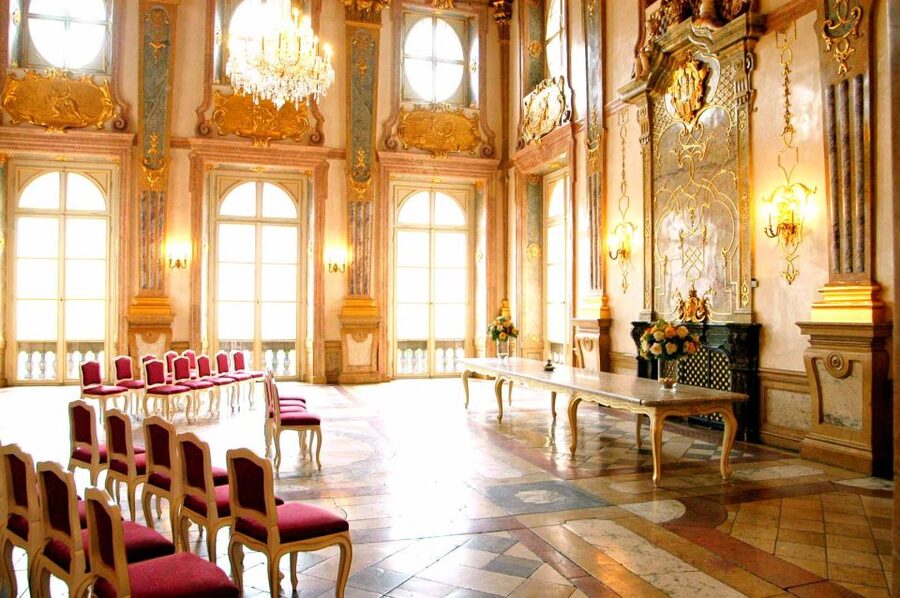
Even if you already know Mozart’s most famous melodies, chamber music changes how you experience him. Instead of one voice dominating, you hear balance: melody traded between instruments, harmony shifting in real time, and details that get lost when a full orchestra masks the threads.
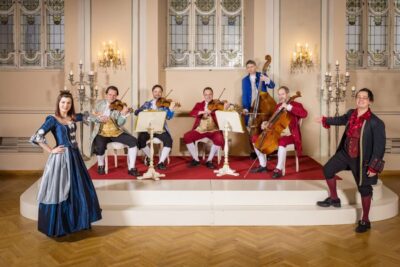
This concert focuses on chamber music performed by top soloists and ensembles. The exact lineup and pieces can vary, but based on what’s been heard in past performances, you should be open to a mix. Mozart is central, yet you might also hear works by other classical composers such as Vivaldi. You may even find the instrumentation a little surprising, like the inclusion of instruments beyond a standard string setup.
Why you should care: chamber music makes musicians’ personalities audible. In a small group, every player’s choices matter. You’re more likely to catch interactions between performers, like how they respond to dynamics and timing choices in the moment. And because the hall is small, the blend between instruments doesn’t feel distant or abstract.
If you’re the kind of person who loves the brainy part of classical music—how counterpoint works, how themes pass hand to hand—this format is your friend. If you’re new to chamber music, it’s still friendly because the performance is intimate and the listening experience stays clear.





Seats and views in a relatively small hall
Seat choice matters here more than in big auditoriums. The Marble Hall is relatively small, so most seats have a decent sightline to the performers. That means even if you don’t pick the absolute front, you can still see what’s going on—arms and shoulders, bowing technique, and the overall ensemble layout.
Your ticket type matters too. The ticket you buy is either reserved seats in a booked category or open seating, depending on what you choose. Several people highlight that reserved seating can feel worth it if you care about facial expressions and close visual detail. The front rows tend to make you feel like you’re inside the music, not just watching it.
If you’re sensitive to uncomfortable viewing angles, aim for seats that keep you oriented toward the main playing area. In this hall, you’re not just looking at a stage. You’re looking at a group of musicians who are actively communicating through posture and timing.
One more practical reality: the venue is indoor and formal. People follow directions closely, and the room’s setup supports attention. That’s good for the music, but it does mean you should plan to stay put during the performance and treat your seat like it’s part of the show.
Acoustics you can trust: natural sound over loudspeakers
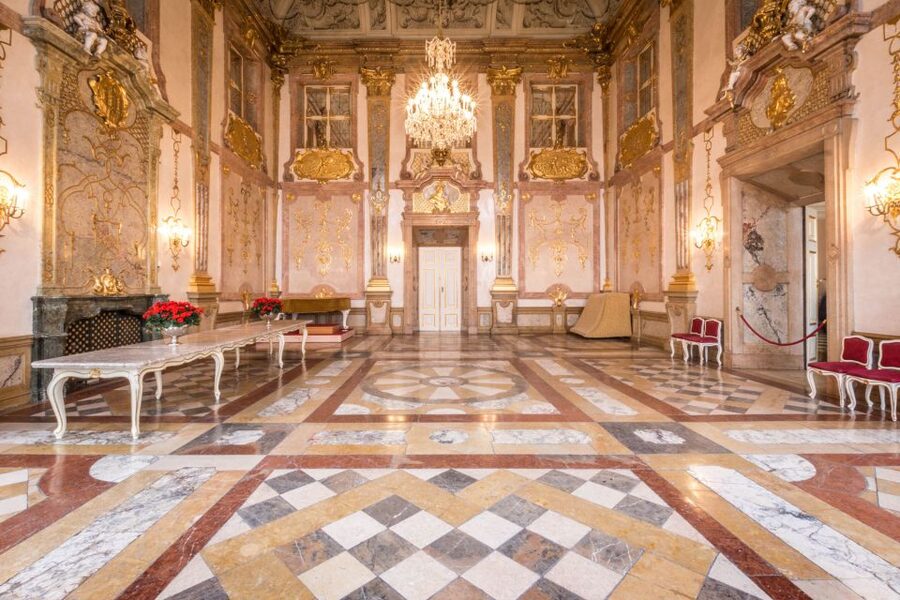
A standout feature in this experience is the emphasis on sound without gimmicks. In the Marble Hall, the acoustics do the heavy lifting. The room’s shape and marble surfaces help carry the details: strings sound focused, winds cut cleanly, and the overall blend stays crisp.
You’ll feel the difference if you’re used to venues where you spend the whole concert adjusting your expectations. Here, there’s a strong sense that you’re hearing what the musicians actually produce. That’s why the experience reads as more authentic. It doesn’t try to fix the sound for you. It lets it happen.
This matters especially with chamber music, where subtleties can be lost in a room with bad acoustic balance. If the performance includes harpsichord, for example, it’s the kind of instrument that benefits from a hall that doesn’t smear the upper notes. People also note stand-out moments like a harpsichord presence and particularly strong solo performances, including cello features in some programs.
Intermission snacks and small comforts

Food and drinks aren’t included, but the venue makes it easy to refresh during the intermission. There’s a bar open during the 15-minute break, and refreshments are available for purchase.
One fun detail: people remember the bar offerings, including an Austrian herb lemonade. It’s not essential, but it’s the kind of small touch that makes the break feel like part of the evening rather than a chore.
If you want to keep the rhythm of the music going in your head, don’t treat intermission like a full meal stop. Grab what you want quickly, use the time to get comfortable again, then return to your seat on time. The concert is only 90 minutes, so you don’t want to miss the start of the second half.
Pricing and value: what $49 buys you in Salzburg
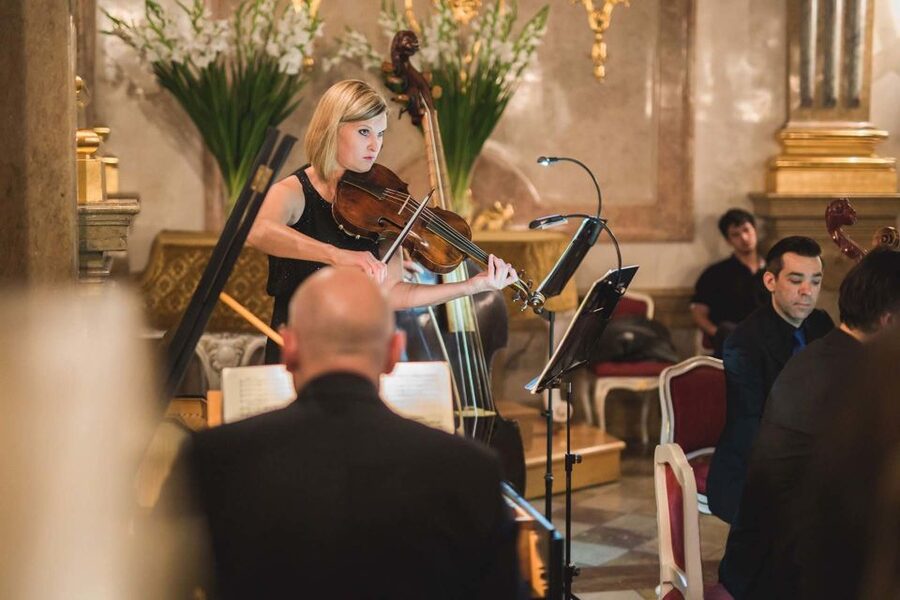
At $49 per person for 90 minutes, the price can look simple. The value comes from what you get for that money: a live, unplugged chamber-music concert in a top-tier historic venue, with reserved-category options and a hall known for standout acoustics.
Compared with paying dinner prices for a standard night out, this often feels like the better deal if your goal is a memorable Salzburg moment. You’re not just seeing a building. You’re hearing music performed in a room that musicians once used for real-life performances, including the Mozart family.
Also, the format is built for cost-effective culture. Instead of a huge production, you’re paying for skilled soloists and the intimacy of chamber music, plus the use of a famous hall. For many people, that adds up to a “worth it” evening—especially if you’re staying in Salzburg for a few days and want one cultural anchor that isn’t complicated.
Still, consider your personal taste. If you prefer large-scale orchestral shows, you might find chamber music quieter and more subtle. This concert is about precision and closeness, not volume and spectacle.
Who should book this Mozart concert (and who might skip)
This works best if you want:
- A listening-focused classical experience rather than a big production
- A chance to see and hear musicians in a close, intimate space
- A Salzburg activity that feels tied to the city’s identity, not just a generic performance
It’s also a good fit if you’re in Salzburg for a short trip and want something that uses your evening time well. The 90-minute length makes it easy to plan around dinner plans afterward.
You might think twice if:
- You need to take photos or record during the show (this venue forbids cameras and audio/video recording)
- You want very young children included (it’s not suitable for children under 6)
- You’re bringing large luggage or bulky bags (those aren’t allowed)
The good news: the experience is wheelchair accessible, and there’s mention of a small group setup. If you’re planning with accessibility in mind, it’s wise to keep your arrival time early so the exchange process stays smooth.
So, should you book it
Book it if you want one night in Salzburg that feels real. The combination of the Marble Hall setting, strong acoustics, and live chamber performances gives you an experience that doesn’t fade after the next day’s sightseeing.
Pass if you’re looking for something interactive, loud, or flexible on rules. The event is focused and formal. If that sounds like your style, you’ll likely love it.
If you’re on the fence, here’s the simplest decision rule: if you’d rather hear music with clarity in a historic hall than attend a big, flashy event, this is your kind of night.
FAQ
Where is the concert held?
It takes place in the Marble Hall at Mirabell Palace, located on the 1st floor at Mirabellplatz 4, 5020 Salzburg.
How long is the Mozart concert?
The concert lasts 90 minutes, and there is one intermission of 15 minutes.
What should I do with my voucher?
The box office is in front of the Marble Hall on the 1st floor. You exchange your voucher for an original ticket there.
Are cameras or recordings allowed?
No. Cameras, video recording, and audio recording are not allowed during the concert.
Is there food and drink available?
Food and drinks are not included in the ticket, but refreshments are available for purchase before the concert and during intermission.
Is the event suitable for small children?
It is not suitable for children under 6 years.
More Tour Reviews in Salzburg
- The Original Sound of Music Tour in Salzburg
★ 4.5 · 6,129 reviews - Salzburg: Original Sound of Music Tour
★ 4.8 · 5,059 reviews - From Salzburg: Half-Day Tour to Hallstatt
★ 4.6 · 3,596 reviews - Salzburg: Hohensalzburg Fortress Admission Ticket
★ 4.6 · 2,236 reviews - Eagle’s Nest and Berchtesgaden Tour from Salzburg
★ 4.6 · 1,455 reviews
Another Night of Mozart
- Salzburg: Best of Mozart Fortress Concert and Dinner
★ 4.5 · 1,424 reviews - Salzburg 2.5-Hour Walking Tour: Mozart, Old Town & More
★ 4.2 · 987 reviews - Salzburg: Mozart Concert with Dinner
★ 4.8 · 835 reviews - Salzburg: Best of Mozart Fortress Concert
★ 4.6 · 762 reviews - Best of Mozart Concert and Dinner or VIP Dinner at Fortress Hohensalzburg
★ 4.5 · 598 reviews
Fresh from Salzburg: Latest Reviews





Mozart Concerts & Classical Music, compared.
 ★ 4.6Salzburg Cathedral: Organ Concert at MiddayFrom $102,007 reviews
 ★ 4.5Best of Mozart Fortress Concert and DinnerFrom $931,424 reviews
 ★ 4.2Salzburg 2.5-Hour Walking Tour: Mozart, Old Town & MoreFrom $53987 reviews
 ★ 4.8Mozart Concert with DinnerFrom $100835 reviews
 ★ 4.6Best of Mozart Fortress ConcertFrom $49762 reviews
 ★ 4.5Best of Mozart Concert and Dinner or VIP Dinner at Fortress HohensalzburgFrom $102598 reviews
 ★ 5.0Palace Concert at the Marble Hall of Mirabell PalaceFrom $50469 reviews
 ★ 4.8Old Town, Mozart, & Mirabell Gardens Walking TourFrom $45461 reviews
Browse the lists this tour appears in