
Reviewed · SALZBURG OLD TOWN WALKING TOURS
Salzburg Introduction Walking Tour
Salzburg makes sense fast on foot. In just 150 minutes, you get a spirited, informed discussion of the city’s past, plus a clear connection between Mozart’s legacy and Salzburg’s Gothic and Baroque architecture. One thing to consider: at $176 per person, this is best for people who genuinely want context, not just photos and quick stops.
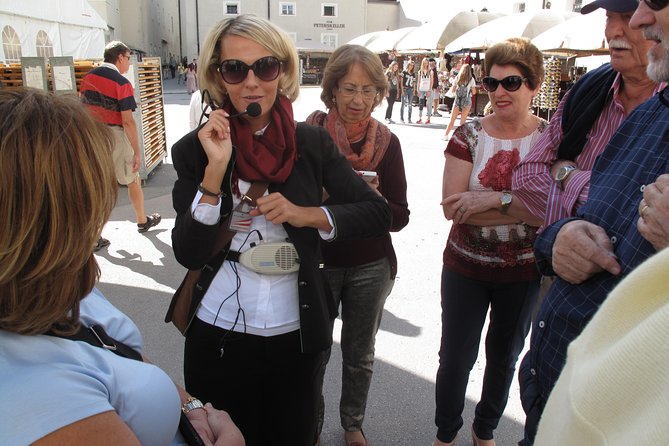
I like that the tour is built around a UNESCO-listed old town that’s been on the World Heritage List since 1997, so you’re not wandering randomly. Your guide is a real academic type—professors, doctoral students, historians, journalists, art critics, and published authors—with an English-speaking, live format that works well for small groups.
In This Review
- Key highlights that make this walk worth your time
- Entering Salzburg’s UNESCO core on a tight timeline
- Meeting outside Coffeehouse Salzburg: starting where you can find it
- Mirabellgarten: guided time in a key old-town landmark
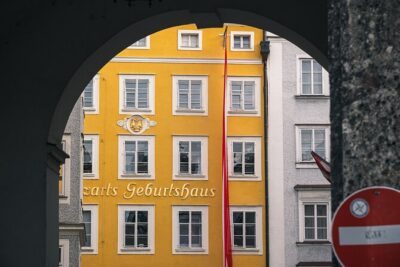
- Mozart Geburtshaus: a birthplace visit without ticket pressure
- Alter Markt and Residenzplatz: learning the city by its squares
- Domplatz and St Peter’s Abbey: architecture and religion in one thread
- Salzburg beyond Mozart: salt commerce, medical innovation, and movie-era fame
- The guide quality: professors and doctoral students, plus real answers
- Price and what $176 buys you (and what it doesn’t)
- Who should book this Salzburg introduction walk
- Should you book this Salzburg Introduction Walking Tour?
- FAQ
- How long is the Salzburg Introduction Walking Tour?
- Where does the tour meet?
- What is included in the price?
- Is the Mozart residence admission ticket included?
- What language is the tour in?
- Are private or small groups available?
- Can I cancel and get a refund?
Key highlights that make this walk worth your time
- A history-first route: You’re guided through major landmarks in a way that explains what shaped Salzburg, not just what it looks like.
- Mozart heritage, with clear expectations: You’ll see Mozart’s birthplace site on the walk, while the Mozart residence admission ticket is not included.
- Architecture you can actually name: The tour focuses on Gothic and Baroque elements as you move through squares and church-adjacent stops.
- Old town context in under 3 hours: You get a concentrated tour of the UNESCO core without losing an entire day.
- Expert guides who answer follow-up questions: One praised guide, Liza, was described as meeting on time and answering lots of group questions because Salzburg is her hometown.
The old town lanes on foot, a few more routes
- Salzburg 2.5-Hour Walking Tour: Mozart, Old Town & More★ 4.2 · 987 reviews
- Salzburg: Old Town, Mozart, & Mirabell Gardens Walking Tour★ 4.8 · 461 reviews
- Salzburg Oldtown: Sightseeing Walking Tour with Licensed Local Guide★ 5.0 · 392 reviews
- Salzburg Old Town Walking Tour, Mozart, Mirabell Gardens★ 4.5 · 201 reviews
Entering Salzburg’s UNESCO core on a tight timeline

This is a practical “get oriented” tour. With only 150 minutes, you’re getting a focused pass through Salzburg’s central highlights—without the slow drain of an all-day itinerary. The city center is on the UNESCO World Heritage List since 1997, and that matters because the guide isn’t treating the sights like separate postcards. You’re learning how the place developed into the Salzburg you recognize from music, religion, trade, and film.
If you’re arriving with jet lag, a tight schedule, or you want a first-day framework, I’d put this near the top of your list. It’s long enough to feel meaningful, but short enough that you can still plan a second activity afterward—like seeing one site at your own pace.
Meeting outside Coffeehouse Salzburg: starting where you can find it
You meet outside Coffeehouse Salzburg at Linzergasse 39 (Linzer G. 39). I like meeting at a café—there’s usually less stress figuring out what building is the right one, and you can use the area to do a quick last-minute bathroom and water stop before you begin.
The meeting point also supports the tour’s pace. Since the walk stays in the historic center, you’re not dealing with transfers or long waits between stops. That’s a real value for a 2.5-hour experience.
Mirabellgarten: guided time in a key old-town landmark
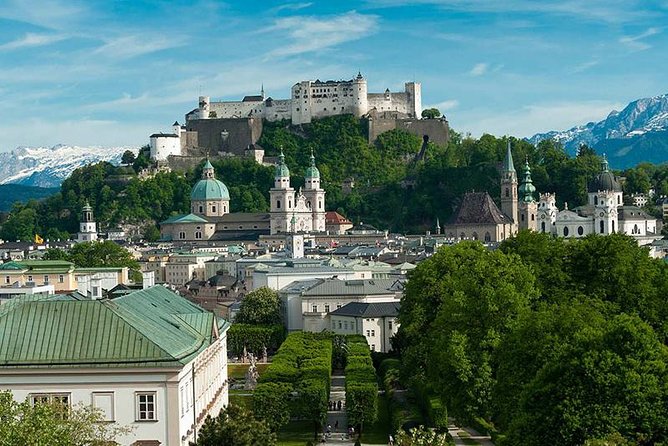
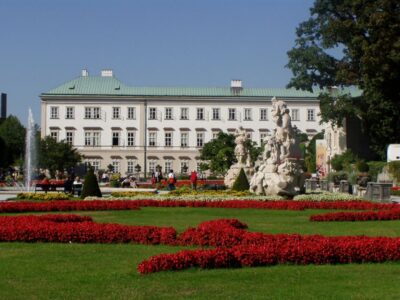
The walk starts with a guided tour at Mirabellgarten. Even if you’re not the type who cares about gardens for their own sake, this stop is useful because it’s part of how Salzburg signals culture through place-making. You’re not just being shown where to stand—you’re getting the surrounding historical context that helps the city feel coherent.
What to watch for: use this stop to mentally switch from seeing Salzburg as a backdrop to understanding it as a designed city. When a guide walks you through a landmark with story-based explanations, you start noticing patterns—how Salzburg uses architecture and public spaces to project identity.
Potential drawback: because the tour is time-boxed, you won’t linger. If you want to slow down and spend extra time photographing every corner, treat Mirabellgarten as a guided introduction, then plan to return later on your own.
Mozart Geburtshaus: a birthplace visit without ticket pressure
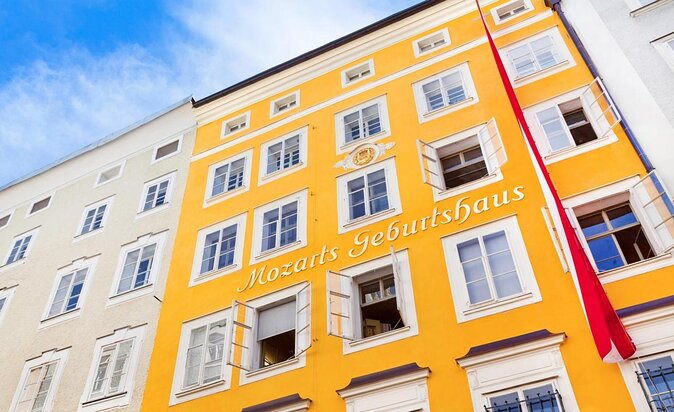
Next is Mozart Geburtshaus, also guided. This is the moment a lot of people are waiting for—Mozart’s birthplace is one of Salzburg’s biggest draws, and the tour uses it to connect music to the wider city story.
Here’s the important practical point: the Mozart residence admission ticket is not included. That doesn’t make the guided stop less worthwhile, but it does mean you should decide in advance whether you want to add any ticketed visit beyond what the walk covers. If you’re only interested in the exterior view and the guide’s historical framing, you may be fine without extra purchases. If you want full indoor access, you’ll need a separate ticket plan.
Value move: I recommend using the guided time to understand what you’re looking at. Mozart’s story becomes stronger when you connect it to Salzburg’s broader musical heritage and the way the city shaped its cultural reputation over time.

Alter Markt and Residenzplatz: learning the city by its squares
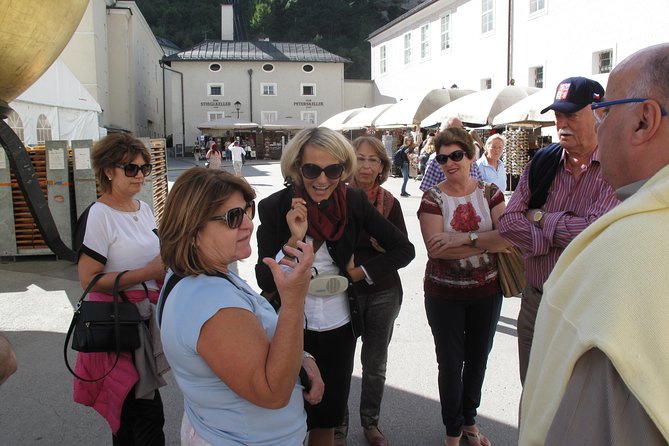
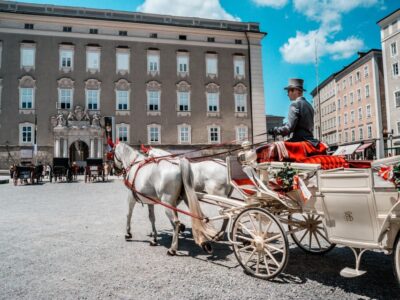
You’ll then visit Alter Markt and Residenzplatz, both with guided commentary. Squares are where history shows up fast. They’re meeting points, power centers, and stage areas for everyday life. On a walking tour, squares are also efficient: you cover a lot of ground while still getting meaningful context.
What you’ll get out of these stops is less about memorizing dates and more about understanding why Salzburg feels the way it does. When a good historian connects a square to the city’s development—through topics like local customs, commerce, and cultural identity—you end up with a mental map. That map helps the rest of your trip make sense.
Possible drawback: if you prefer hands-on experiences, rather than explanation-heavy stops, you may want to pace yourself. Take short notes and pick one or two details you want to remember later. This keeps the tour fun instead of turning it into a lecture you rush through.
Domplatz and St Peter’s Abbey: architecture and religion in one thread
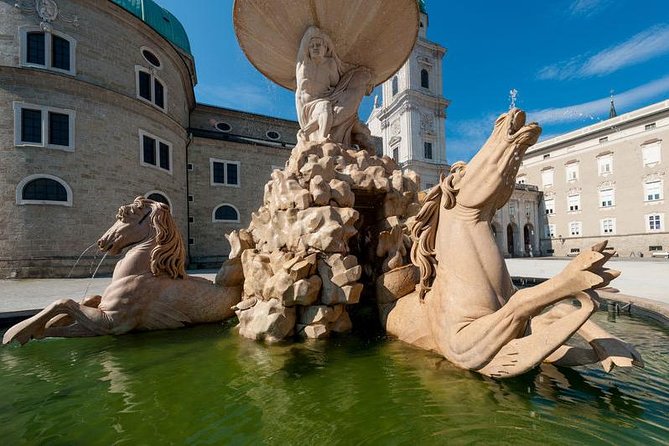
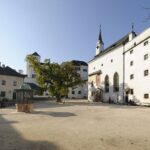
The route continues to Domplatz and St Peter’s Abbey, again guided. The tour highlights Gothic and Baroque architecture, and these religious sites are usually where those styles feel most tangible. Even if you aren’t an architecture expert, the guide’s job is to translate the visual language into something you can actually hold onto: what you’re seeing, why it looks that way, and how it connects to Salzburg’s identity.
Why this section matters: Salzburg isn’t only a music city. It’s also a city where religious institutions influenced art, community life, and the look of public space. When your walk ties those dots together, the whole city reads like one story.
Practical note: religious sites can mean periods of standing and looking upward or around. Wear comfortable shoes and expect some slow moments where the group regroups.
Salzburg beyond Mozart: salt commerce, medical innovation, and movie-era fame
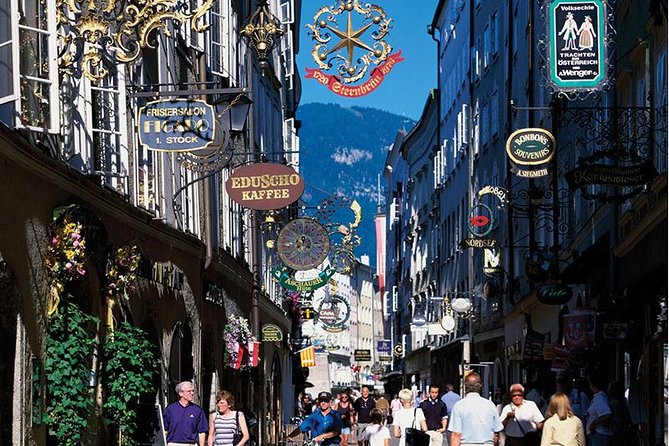
One of the smartest parts of this tour is its refusal to reduce Salzburg to one celebrity name. The city is famous for Mozart, sure, but the guided walk frames Salzburg through multiple lenses, including medieval salt commerce, medical innovations, its musical heritage, and even The Sound of Music as part of the city’s modern global recognition.
Here’s how that benefits you:
- Salt commerce gives you economic context. Salzburg didn’t become important by magic; it developed through trade networks and resources.
- Medical innovations add surprise. You see that the city’s contributions aren’t only in art and music.
- Musical heritage connects the dots from Mozart to the broader cultural identity the city cultivated.
- The Sound of Music setting helps you understand why Salzburg attracts so many music lovers and pop-culture pilgrims, even if you’re not there for the movie itself.
If you want the short version of why this works: you’ll leave with explanations that make the next sight you visit feel connected, not random.
The guide quality: professors and doctoral students, plus real answers
This tour is led by a live English-speaking guide with academic backgrounds listed as professors, doctoral students, historians, journalists, art critics, and published authors. That matters because it changes the vibe. You’re not stuck with generic tour commentary. You get people who can handle questions and give clear historical framing.
One highlight from a recent booking: a guide named Liza was praised for being friendly, knowledgeable, meeting the group exactly as promised, and answering questions because Salzburg is her hometown. That’s the kind of local + academic blend that turns a walk into an active learning experience rather than passive sightseeing.
Price and what $176 buys you (and what it doesn’t)

Let’s talk value. At $176 per person for a 150-minute walk, you’re paying for more than moving between landmarks. You’re paying for an expert historian-led format where multiple stops are guided, not just “walk and look.”
What’s included:
- A 2.5-hour walk through the historical center with an expert historian guide
What’s not included:
- Mozart residence admission ticket
So the cost makes sense if you’re the type who benefits from context. If you’re mostly interested in snapping photos and moving on, you might feel this is heavier than you need. If you’re excited by history, architecture, and how cultural fame forms over time, you’re likely to feel you got your money’s worth quickly.
A practical way to judge it for yourself: ask whether you’re the person who enjoys hearing why a city looks the way it does. If yes, this price can feel fair. If no, consider a lighter self-guided plan and skip the ticketed elements.
Who should book this Salzburg introduction walk
I think this tour is a strong match if you:
- want a history-and-music orientation to Salzburg in one concentrated outing
- enjoy architecture explanations, especially Gothic and Baroque themes
- value guided context more than long free time
- like asking questions and getting answers from an academic-style guide
It’s less ideal if you:
- want a fully self-paced itinerary with lots of quiet wandering
- dislike guided explanation and would rather read signage on your own
- only care about one specific attraction and nothing else—because the tour spreads attention across multiple key stops
Should you book this Salzburg Introduction Walking Tour?
Yes, if you want the city to click. This isn’t just an efficient route through Salzburg’s major landmarks—it’s an organized way to understand how Mozart, religion, architecture, commerce, and even movie-era fame all fit into one place.
Book it if you’re planning a short trip or your first day in town and you want a strong mental framework fast. Skip or rethink it if your goal is purely casual strolling with minimal commentary, especially given the $176 price point and the fact that the Mozart residence admission ticket is not included.
FAQ
How long is the Salzburg Introduction Walking Tour?
The tour lasts 150 minutes, or about 2.5 hours.
Where does the tour meet?
Meet outside Coffeehouse Salzburg at Linzergasse 39 (Linzer G. 39).
What is included in the price?
You get a 2.5-hour walk through Salzburg’s historical center with an expert historian guide.
Is the Mozart residence admission ticket included?
No. The Mozart residence admission ticket is not included.
What language is the tour in?
The tour is offered in English.
Are private or small groups available?
Yes, private or small group options are available.
Can I cancel and get a refund?
You can cancel up to 24 hours in advance for a full refund.
More Tour Reviews in Salzburg
- The Original Sound of Music Tour in Salzburg
★ 4.5 · 6,129 reviews - Salzburg: Original Sound of Music Tour
★ 4.8 · 5,059 reviews - From Salzburg: Half-Day Tour to Hallstatt
★ 4.6 · 3,596 reviews - Salzburg: Mozart Concert at Mirabell Palace
★ 4.8 · 3,498 reviews - Salzburg: Hohensalzburg Fortress Admission Ticket
★ 4.6 · 2,236 reviews
The Old Town on Foot, Continued
- Salzburg 2.5-Hour Walking Tour: Mozart, Old Town & More
★ 4.2 · 987 reviews - Salzburg: Old Town, Mozart, & Mirabell Gardens Walking Tour
★ 4.8 · 461 reviews - Salzburg Oldtown: Sightseeing Walking Tour with Licensed Local Guide
★ 5.0 · 392 reviews - Salzburg Old Town Walking Tour, Mozart, Mirabell Gardens
★ 4.5 · 201 reviews - Salzburg Old Town Highlights Private Walking Tour
★ 4.5 · 78 reviews
Fresh from Salzburg: Latest Reviews


Salzburg Old Town Walking Tours, compared.
 ★ 4.2Salzburg 2.5-Hour Walking Tour: Mozart, Old Town & MoreFrom $53987 reviews
 ★ 4.8Old Town, Mozart, & Mirabell Gardens Walking TourFrom $45461 reviews
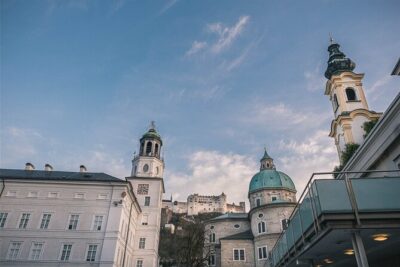 ★ 5.0Salzburg Oldtown: Sightseeing Walking Tour with Licensed Local GuideFrom $10392 reviews
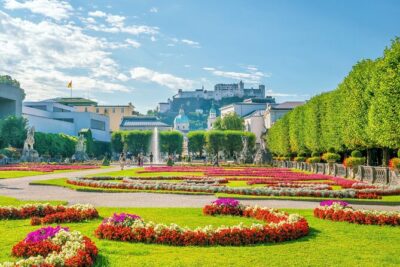 ★ 4.5Salzburg Old Town Walking Tour, Mozart, Mirabell GardensFrom $39201 reviews
 ★ 5.0Hallstatt: 2-Hour Guided Walking Tour with PhotographerFrom $100152 reviews
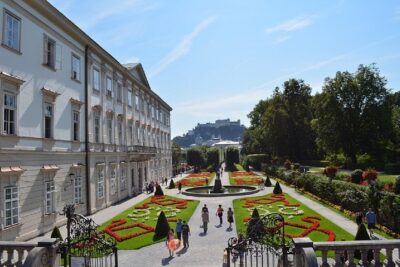 ★ 4.5Salzburg Old Town Highlights Private Walking TourFrom $19878 reviews
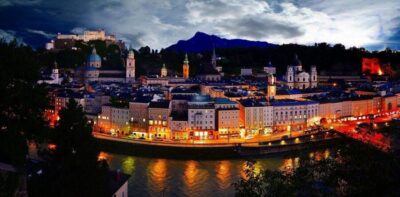 ★ 4.6Salzburg Private Walking TourFrom $28948 reviews
 ★ 5.0Private Walking Tour of SalzburgFrom $26342 reviews
Browse the lists this tour appears in